
5 Destinations That Are Actually Better to Visit in Off-Peak Months
There's a common assumption that "peak season" means the best time to visit a destination. But peak season really just means the most popular time, and popularity comes with a cost: bigger crowds, higher prices, and sometimes even weather that isn't as ideal as you'd think. Traveling in the shoulder or off-peak months can actually give you a better experience, not just a cheaper one.
Here are five destinations where skipping the peak season might be the smartest move you make.
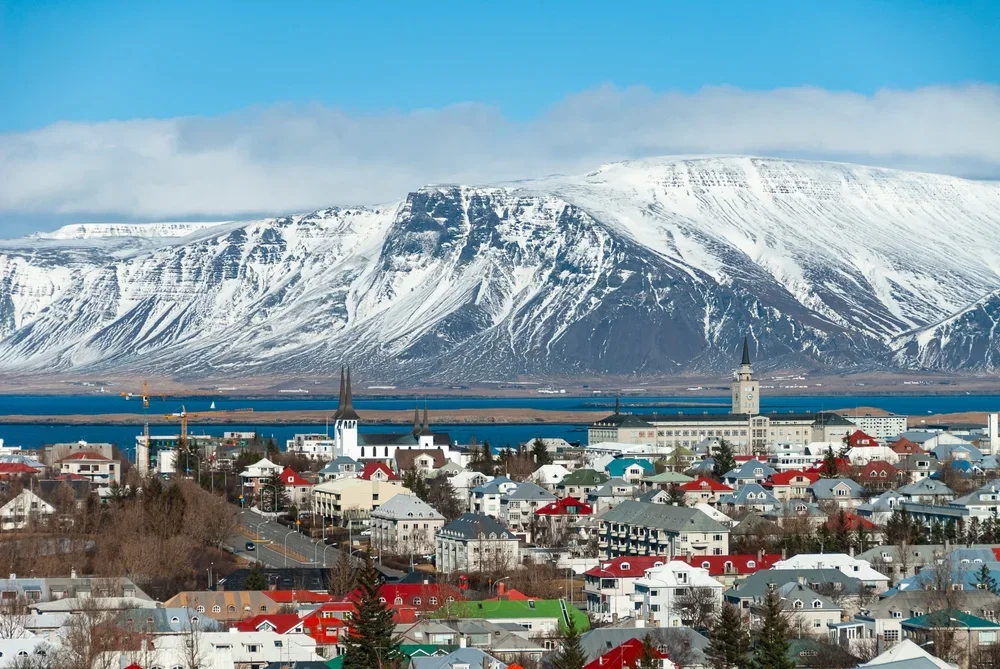
1. Iceland: Visit in September/October or February/March
Summer (June–August) is Iceland's busiest season, with long daylight hours drawing huge crowds to the Ring Road and Golden Circle. But shoulder season has its own magic: September and October bring the return of the Northern Lights along with fall colours and thinner crowds, while February and March offer a real shot at aurora viewing plus lower rates on hotels and tours. Roads are still generally accessible, and you'll have iconic spots like the Blue Lagoon and Skógafoss largely to yourself.
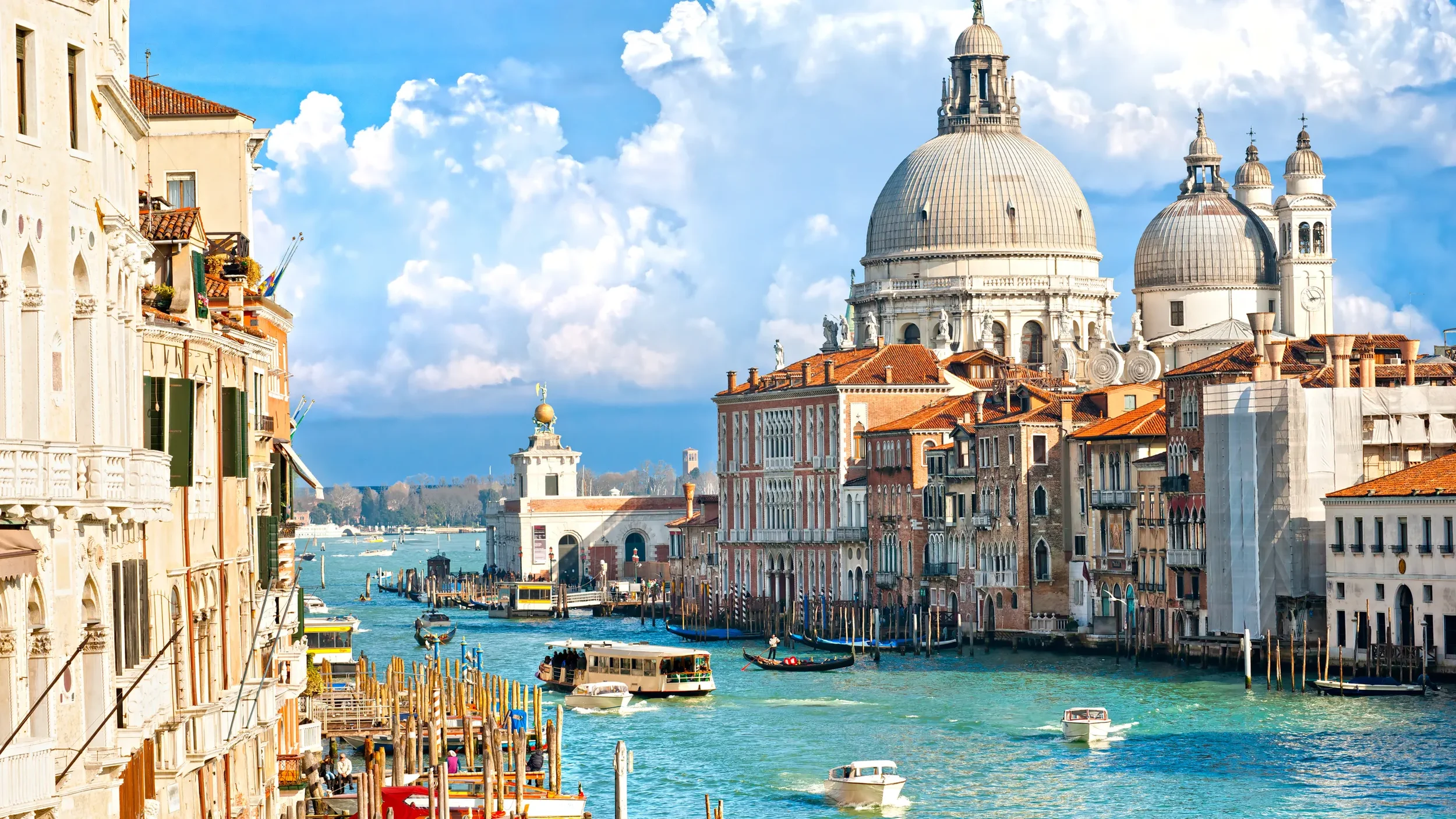
2. Venice: Visit in Late Fall or Winter (November–February, minus New Year's)
Venice in July and August means shoulder-to-shoulder crowds on the Rialto Bridge and lines out the door at St. Mark's Basilica, not to mention serious summer humidity. Visit in late November through February instead, and you'll find a quieter, moodier version of the city: fog rolling off the canals, locals actually outnumbering tourists, and restaurant reservations that don't require weeks of planning. It's arguably more atmospheric this way, many travelers say winter is when Venice actually feels like Venice.
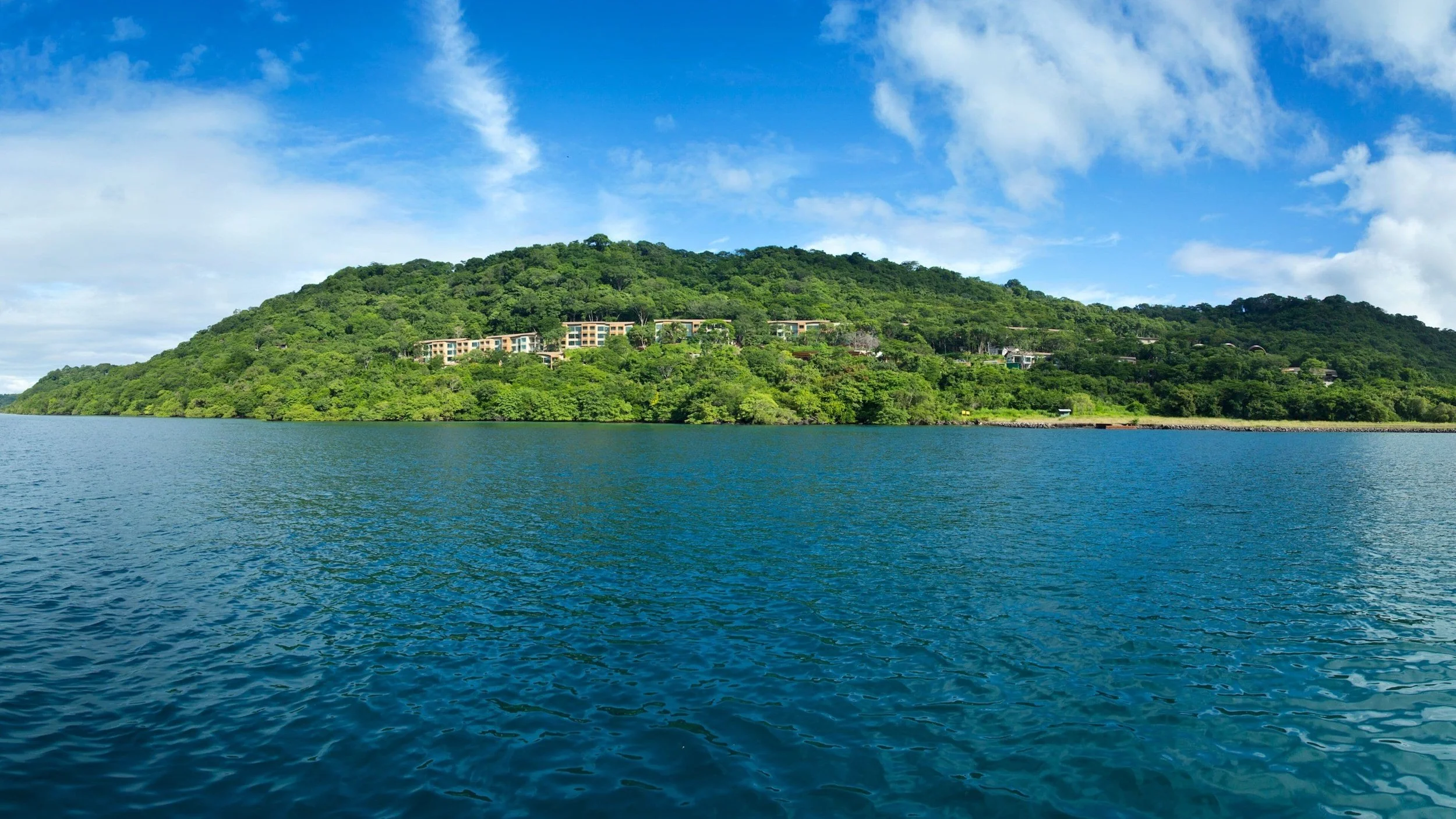
3. Costa Rica: Visit During "Green Season" (May–November)
Costa Rica's dry season (December–April) is technically the most popular, but the so-called "green season" is a hidden gem. Expect a brief afternoon shower most days, then clear skies the rest of the time, plus a rainforest that's genuinely lush and green rather than dusty. Wildlife viewing is often better too, since rain triggers more activity. On top of that, hotel and tour prices frequently drop significantly, and popular parks like Manuel Antonio are far less crowded.
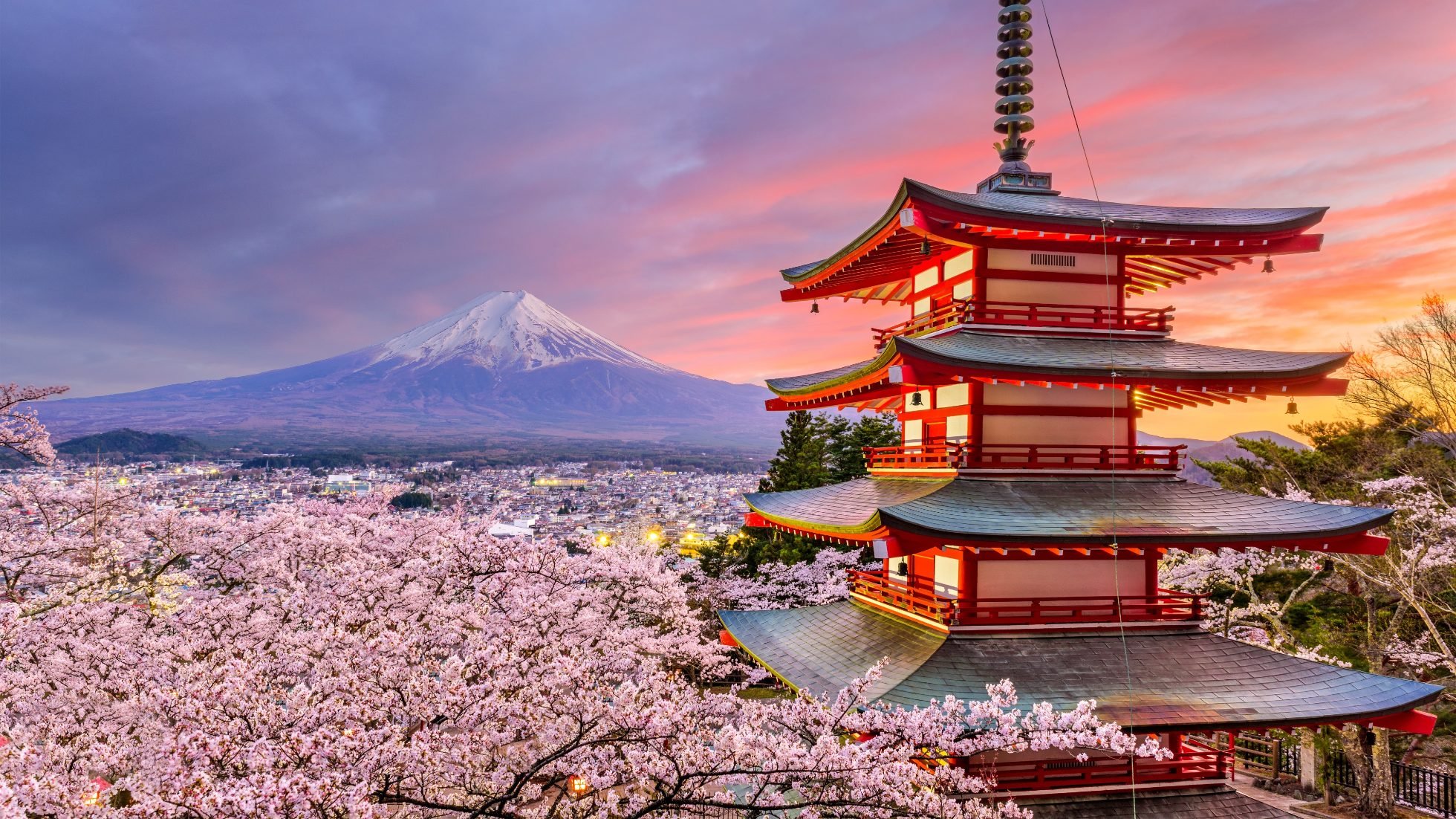
4. Japan: Visit in Autumn (Late October–November)
Cherry blossom season gets all the attention, but it also brings peak crowds, peak prices, and a blossom window that can last as little as a week. Autumn is the underrated alternative: fiery red and gold foliage across Kyoto's temple gardens, comfortable walking weather, and noticeably thinner crowds at major sites like Fushimi Inari and Arashiyama. Flights and hotels are also typically easier to book, and cheaper, than during the spring rush.
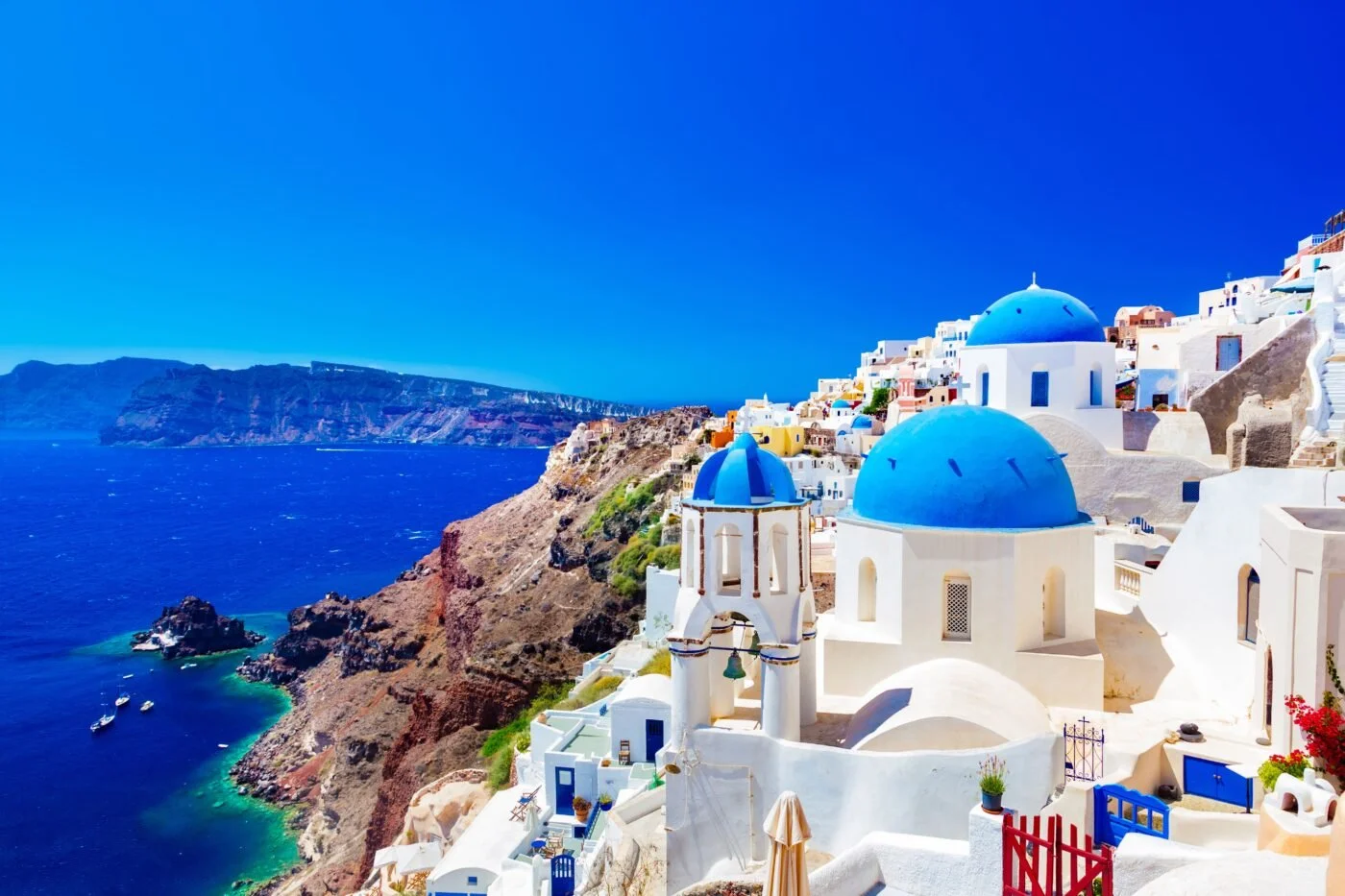
5. Greek Islands: Visit in Late May or September
July and August in Santorini or Mykonos mean scorching heat, packed beaches, and hotel prices at their annual peak. Shift your trip to late May or September instead, and you'll still get warm, swimmable weather, often in the mid-to-high 70s or low 80s, without the crowds or the price tag. Ferries run less frequently but are far easier to book, and you'll actually get a table at that cliffside restaurant without a two-hour wait.
Why Timing Is Best Left to Your Travel Agent
Off-peak travel isn't just about avoiding crowds, it's about knowing the exact window where weather, pricing, and experience all line up in your favour. That sweet spot can shift from year to year and from destination to destination, which is exactly the kind of detail a good travel agent tracks closely.
At Four Stories Travel, we help you find that window, so you get the version of the destination you've always pictured, minus the crowds and the markup. Reach out to your agent today and let's find the perfect off-peak time for your next trip.